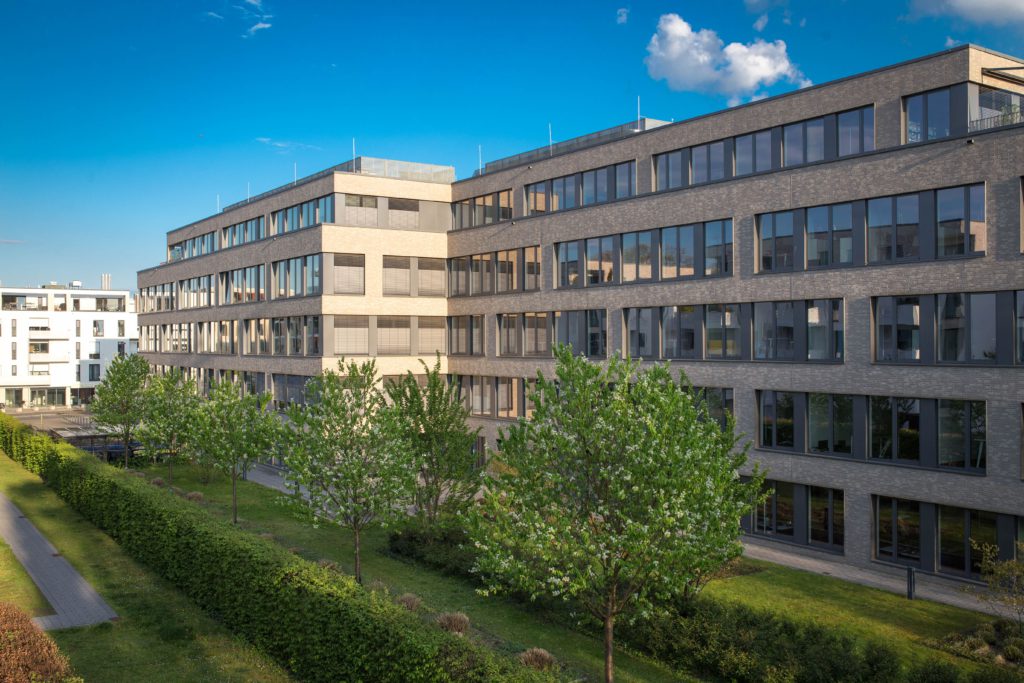
Buying commercial real estate requires careful assessment of the property, its location, financial performance and potential risks. Unlike purchasing a home, commercial property sales are often evaluated according to factors such as rental income, lease arrangements, tenant quality, operating costs and future development potential. Buyers should therefore complete appropriate financial, legal and physical due diligence before committing to a purchase.
After settlement, effective commercial property management becomes an important part of protecting the investment. Managing a commercial building can involve collecting rent, communicating with tenants, arranging maintenance, monitoring lease obligations and managing operating expenses. Owners who do not want to handle these responsibilities directly may appoint a professional property manager to oversee the day-to-day requirements.
Assess the Location
Location can have a significant influence on the performance of commercial property. However, what makes a good location varies according to the type of property.
Retail properties may benefit from pedestrian activity, visibility and convenient parking, while warehouses and industrial facilities may depend more heavily on road access and proximity to major transport routes. Office properties can be influenced by public transport, nearby services and accessibility for employees and clients.
Buyers should also investigate surrounding development, zoning and infrastructure projects that could affect the area in the future.
Review Existing Leases
If a property is already occupied, the existing leases are an important part of the purchase assessment. Buyers should understand the remaining lease terms, rental amounts, rent review arrangements, options and responsibilities for property expenses.
The lease should also clarify which maintenance and operating costs are the responsibility of the tenant and which remain with the owner.
Professional legal advice can help buyers understand contractual obligations before purchasing a tenanted property.
Complete Property Due Diligence
The physical condition of the building should be assessed before settlement. Depending on the property, this may involve reviewing the roof, electrical systems, plumbing, air conditioning, fire safety equipment and structural condition.
Potential repairs or upgrades can affect the overall cost of the investment. Buyers should also investigate planning restrictions, permitted uses and other regulatory requirements relevant to the property.
Plan for Ongoing Maintenance
Regular maintenance can help prevent minor problems from developing into expensive repairs. Commercial property owners may need to manage cleaning, landscaping, building services, security systems and general repairs.
A planned maintenance schedule can make these responsibilities easier to manage. Keeping accurate records of completed work can also help owners understand the condition and maintenance history of the building.
Maintain Good Tenant Relationships
Reliable tenants can contribute significantly to the stability of a commercial property investment. Clear communication can help resolve maintenance requests and other issues before they become larger problems.
Property managers may act as the main contact between owners and tenants, helping coordinate repairs, monitor rental payments and ensure lease obligations are being followed.
Monitor Financial Performance
Commercial property ownership involves more than collecting rent. Owners should monitor income alongside expenses such as insurance, maintenance, property management fees and other applicable costs.
Regular financial reviews can help identify increasing expenses, upcoming capital works and changes in rental performance.
Take a Long-Term Approach
Buying a commercial property is usually a significant financial commitment, and its performance can be influenced by market conditions, tenants, maintenance and changing business demand.
Careful due diligence provides a stronger foundation before purchase, while consistent management helps protect the property afterwards. By monitoring leases, maintaining the building, managing costs and responding to tenant requirements, owners can keep their commercial property functional and well maintained over the long term.


